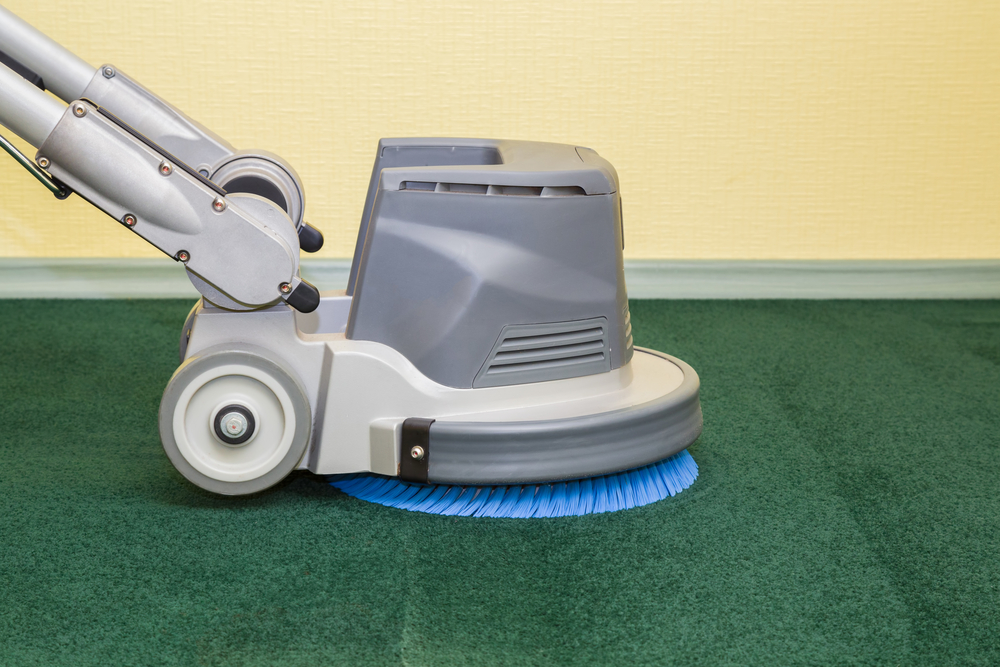
When was the last time anyone took a hard look at the carpet just inside your front door? Chances are it doesn’t look quite like the carpet in the back offices. Office carpet rarely ages at one steady pace, and that’s easy to miss, even for businesses that already rely on janitorial cleaning services in White Marsh.
Most people don’t think about it until the entryway starts looking dingy. In today’s blog, we’ll cover how often you should get professional treatment for your carpets, and how recurring facility care tied to traffic can set a rhythm that fits each part of your workplace. Keep reading to learn more!
How often should office carpets be professionally cleaned?
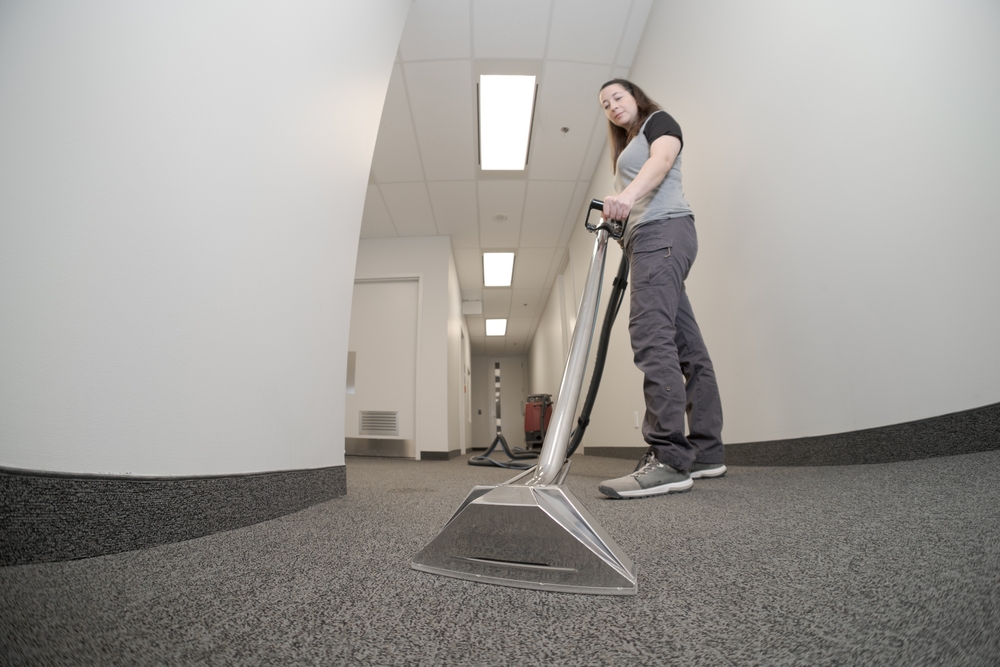
There’s no single answer that works for every office. A private office that barely gets used can go longer between deeper treatments than a main corridor with people coming and going all day. The manufacturer’s guidance matters too, since maintenance requirements can vary from one carpet system to the next.
Start with traffic, not the calendar
Every step carries dry soil onto the carpet, and repeated foot traffic grinds it deeper into the fibers. That’s why the path through reception can age differently from a private office, even if both were installed on the same day.
It’s the same idea behind retail floor care around customer traffic. The spots that see the most movement usually need professional attention more often because they pick up more soil and wear.
Since frequency should reflect carpet use, it makes sense to schedule each area by how hard it works instead of slapping one date on the whole property.
Watch entry zones and corridors
The busiest routes usually need a shorter maintenance cycle since they get walked on all day. They’re also the first stretch of carpet visitors see when they walk in.
Busy routes need shorter intervals
Entryways and main hallways tend to collect a lot more tracked-in dirt than rooms that only get used now and then. Treating them more often keeps pace with how hard that carpet is working.
Different areas shouldn’t share one schedule
A professional plan can account for those differences instead of putting the whole building on one timetable. Just because the busy hallway is due doesn’t mean the quiet room down the hall needs treatment too.
Account for spills between deeper treatments
Everyday dirt and one-off spills affect carpet in different ways, so the plan needs room for both. One builds up slowly, while the other happens all at once.
Routine soil builds gradually
Foot traffic works fine particles deeper into the pile over time. How fast that happens mostly depends on how often people walk through the area.
Spills change the maintenance rhythm
A knocked-over coffee in the break room dumps residue in one spot and may need attention long before the next deeper treatment comes around. Recurring upkeep should account for what happens between scheduled visits, not just the bigger maintenance cycle.
Match the method to the carpet
The treatment method should follow the carpet manufacturer’s recommendations, since the right products and equipment depend on the type of flooring.
How the office gets used affects timing, too. Maintaining shared meeting rooms between bookings might call for a different window than working on a busy corridor, since one has natural breaks while the other stays in use most of the day.
Why should carpet care follow a site-specific schedule?
A good schedule starts with someone actually walking the space, not with one date stamped on the whole building. The crew needs to see where traffic piles up and how the carpet has been cared for. From there, the plan can reflect what the flooring is really up against.
The corner office that sits empty half the week doesn’t need the same timetable as the main entrance. The same goes for warehouse floor care around daily traffic, where the busiest zones need more attention because they take the most punishment.
Why professional carpet care matters
Bringing in a pro matters most when you have to figure out both how often and how to treat the carpet. Getting one right and the other wrong still leaves you with worn, tired-looking flooring.
Frequency depends on actual use
A commercial crew can see how the carpet is wearing and how fast dirt builds up between visits. Past maintenance matters too, because the next interval should build on what’s already been done instead of starting from a random date.
The treatment has to suit the flooring
What works well in one building might not be right for another. Drying time also has to fit around normal business hours so nobody’s tiptoeing around damp carpet at work. A professional assessment keeps the plan tied to the carpet’s actual condition and how much use it gets.
Where can businesses schedule professional janitorial cleaning services in White Marsh, MD?
Your busiest hallway and your quietest office in White Marsh don’t need the same calendar. Same carpet, totally different workloads. We’re Green Apple Cleaning, and we handle carpet shampooing and steam treatment for businesses near Asbury United Methodist Church and all over Maryland. Most of our commercial work happens outside regular business hours, which gives carpets time to dry before the workday starts. Our methods are also gentle on the fibers. Tell us which spots take a beating and which barely see feet, and we’ll build a schedule around both.